

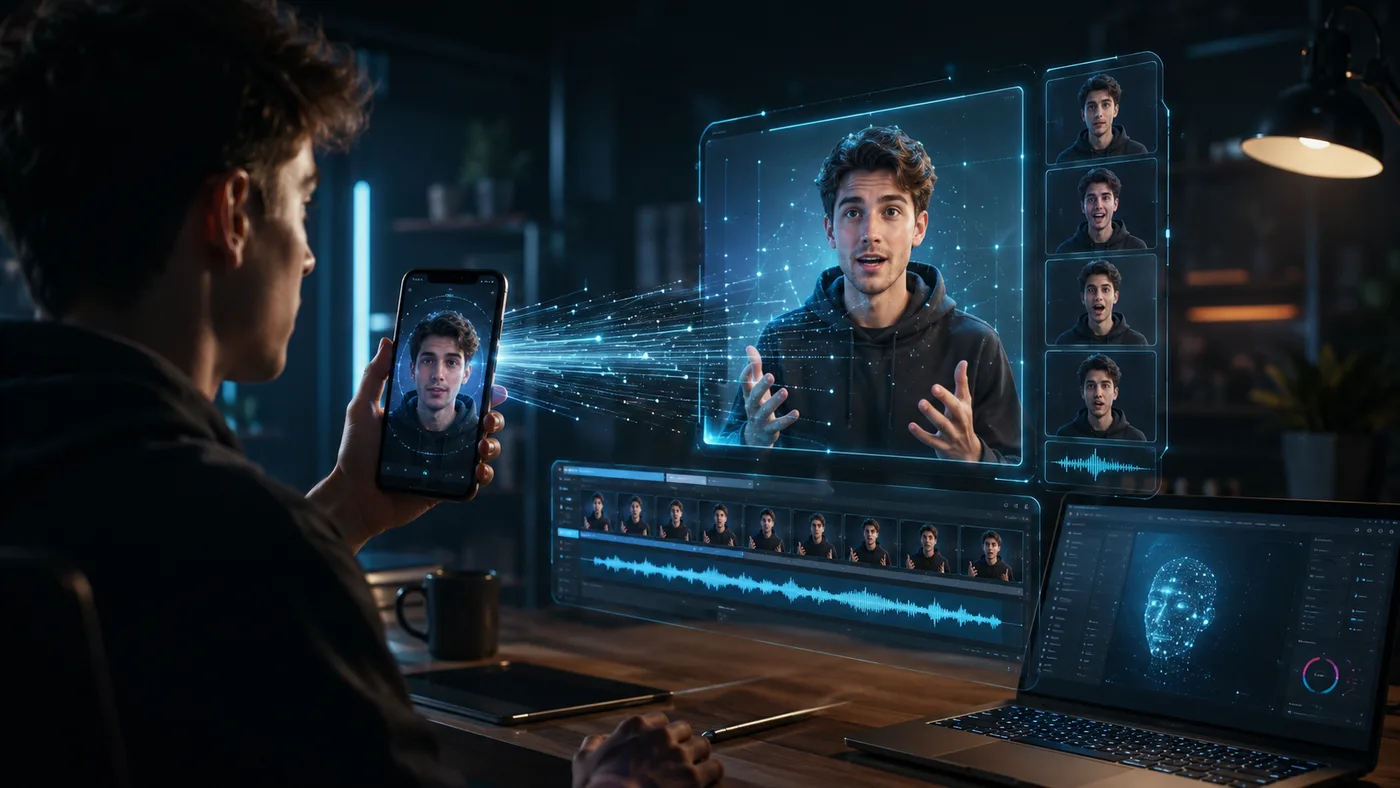
Flow, Google's AI video creation software, just got two significant additions: a new underlying video generation model and a feature called Avatars that turns a single selfie photo into a talking-head video clip. According to Wired, Google is positioning Avatars as a personal creative tool - a fast way to produce selfie-style video without recording yourself.
What Google is describing is what the security and media world has called deepfakes for years: AI-generated video of a real person's face saying or doing things they never actually recorded. Consumer packaging doesn't change the technical reality of what the feature does.
How Avatars works:
- Input: one still photo of your face
- Output: video clips of that face speaking or moving
- Positioned for: personal projects, social content, creative use
This capability isn't new. D-ID has sold AI avatar video generation to businesses for years. HeyGen built a large customer base around the same premise - upload a photo, get a talking avatar. What changes when Google ships it is reach: Flow is a consumer product with Google's distribution behind it, which pushes this from "niche creative tool" to "anyone can do this with a Google account."
The consent and misuse questions are not hypothetical. Google will presumably apply watermarking or content provenance signals - it's a member of the C2PA (Coalition for Content Provenance and Authenticity), an industry group working on this exact problem - but watermarks don't prevent misuse, they create a paper trail afterward. Meaningful protection would require platforms to consistently enforce disclosure when AI-generated avatar video is distributed, something that remains inconsistently applied across social media.
For legitimate use cases - video marketers, online course creators, small business owners who want talking-head content without a camera setup - this is a meaningful addition. Tools like D-ID and HeyGen charge $20-80 per month for comparable functionality. If Google ships Avatars without significant output restrictions and the quality holds up, it applies direct pricing pressure to the standalone avatar video market.
The broader Flow update also includes a new video generation model, though Google hasn't published benchmarks comparing its output quality to competitors.