




What Happened
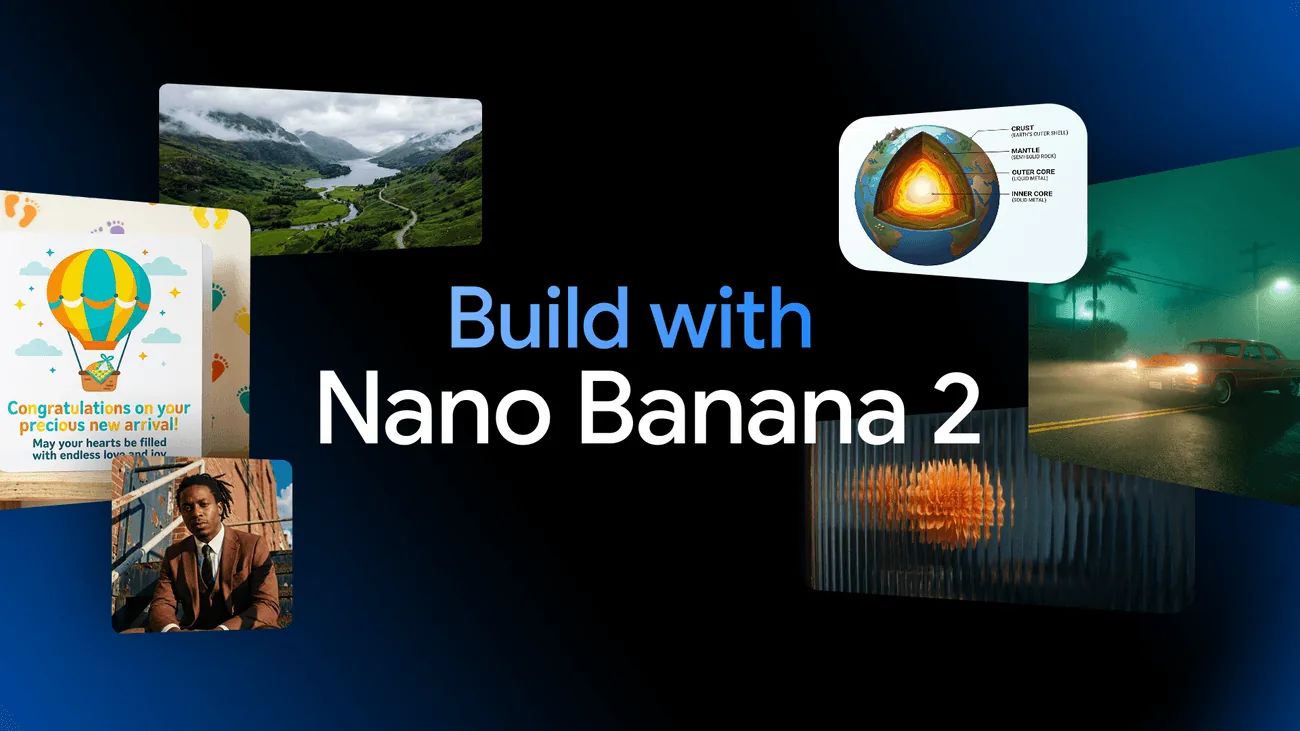
On February 26, 2026, Google announced developer access to Nano Banana 2 through its API. The model is described as Google's best image generation and editing model, combining the quality of its Pro tier with faster inference speeds.
Developers can access the model through Google AI Studio and the Gemini API.
Why It Matters
Opening a capable image model to developers via API is a different move than launching a consumer product. Developer access means third-party applications, plugins, and automated pipelines can incorporate Nano Banana 2's capabilities without users ever interacting with a Google product directly.
This follows a well-established pattern: model providers compete for developer adoption as a way to embed their infrastructure in the product ecosystem. If Nano Banana 2 becomes the default image generation backend in a significant number of tools, Google gains market position even in applications it did not build.
The combination of quality and speed is the key technical claim. Many image generation use cases require batch processing or near-real-time generation - advertising creative, social media assets, product photography. A model that is slower but higher quality is often impractical for these workflows. Speed parity with quality improvement is a meaningful improvement.
Our Take
Developer API access is how image models actually get adopted at scale. Consumer products demonstrate capability; APIs drive integration.
The relevant comparison for developers is with DALL-E 3 via the OpenAI API, Stable Diffusion open-source alternatives, and Midjourney's limited API. Each has different pricing, speed, quality, and usage policy tradeoffs. Nano Banana 2 adds a well-supported, well-resourced option to that set.