



What Happened
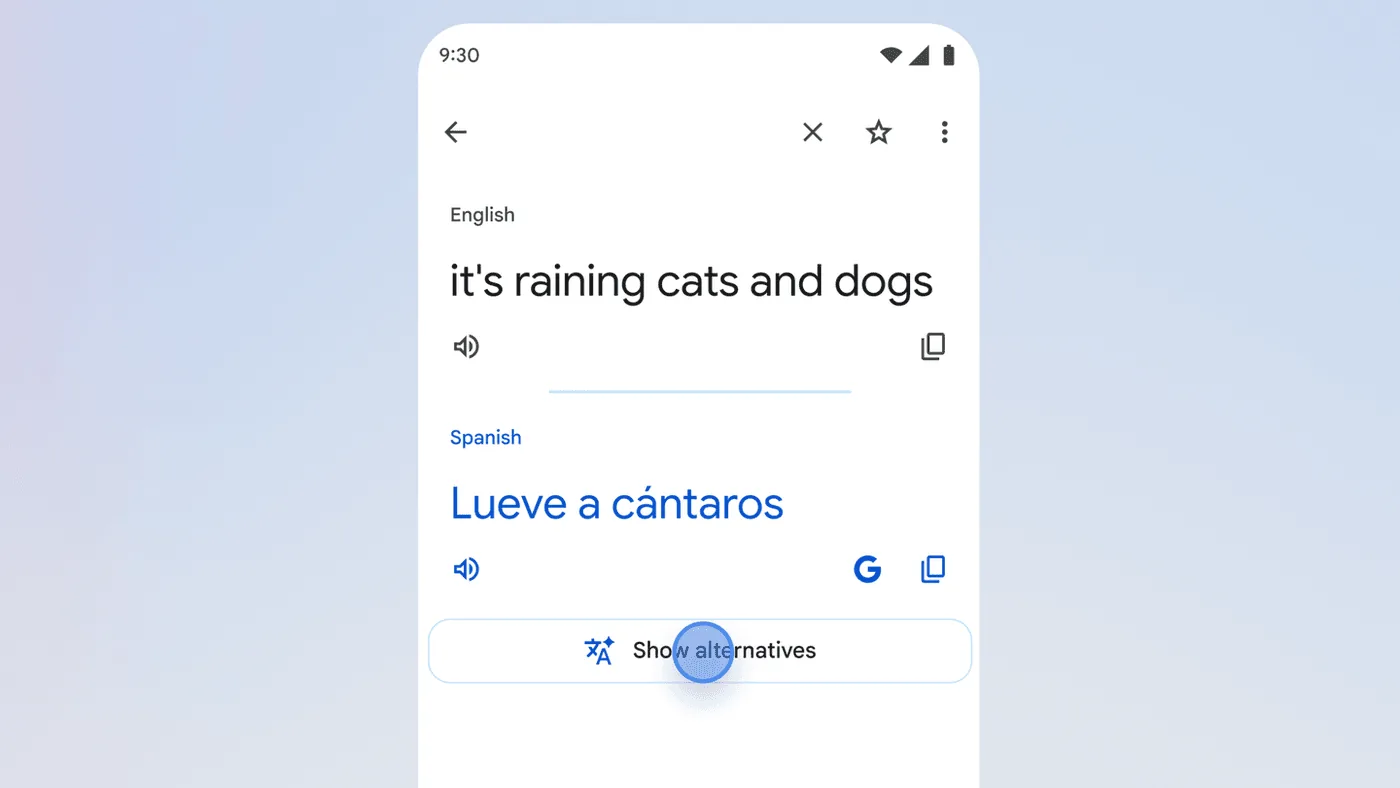
On February 26, 2026, Google announced new AI-powered features in Google Translate. The updates include alternative translation options for ambiguous text and two new interactive buttons: one labeled "understand" that provides context about a translation, and one labeled "ask" that allows users to query specific aspects of the translation.
The changes target natural language complexity, particularly idiomatic expressions and context-dependent phrasing where a single translation may be misleading.
Why It Matters
Translation is not a solved problem. Machine translation handles literal text reasonably well but struggles with idioms, cultural context, register (formal versus informal), and domain-specific terminology. A translation that is technically accurate can still communicate the wrong meaning.
The alternative translations feature addresses one of the core limitations of current MT systems: they produce a single output with no indication of uncertainty or variation. Showing multiple options with context helps users make better decisions about which translation fits their specific situation.
The "ask" button is a more interesting interface change. It suggests a conversational layer on top of translation, where users can probe why a particular phrasing was chosen. This is more useful for learning and professional translation than for casual lookup.
Our Take
These are thoughtful incremental improvements to a tool that most people use without thinking much about its limitations. The alternative translations feature in particular addresses a real gap.
For professional translators, these features are useful supplements but not replacements for human review of complex content. For casual users translating a restaurant menu or a street sign, the existing single-output translation is probably sufficient. The new features are most valuable in the middle - business communications, legal notices, technical documents - where precision matters but professional translation is not warranted.