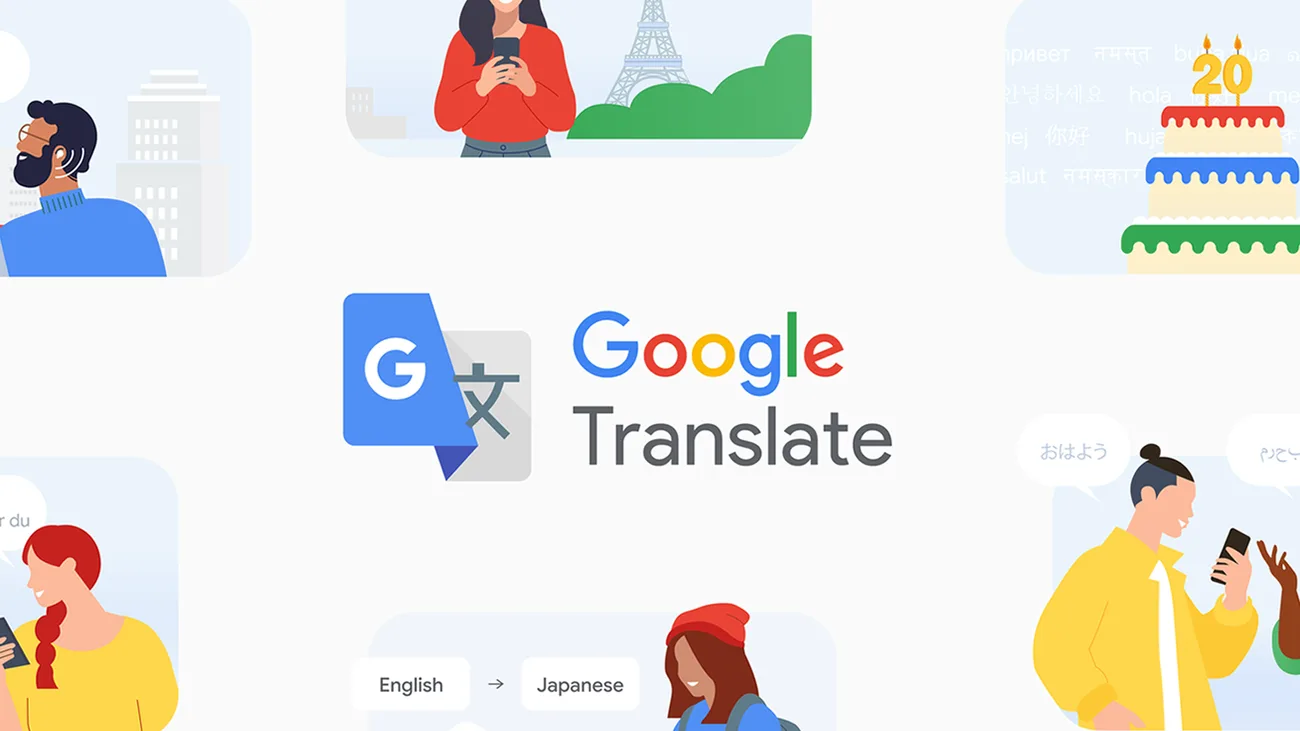
Twenty years ago this month, Google launched a translation tool that most linguists assumed would stay limited forever. The 2006 version worked by pattern-matching text from existing translated documents - no actual language understanding involved. It was useful, and often memorably wrong.
Google marks the milestone with a blog post covering historical trivia, usage numbers, and newly shipped features. The biggest change in its history came in 2016, when the service switched from statistical matching to neural machine translation - a method where the model learns language patterns from large amounts of example text rather than hand-coded rules. That shift dramatically improved output quality on major language pairs.
The current product supports over 130 languages. Features worth knowing: live conversation mode for real-time back-and-forth translation between two speakers, camera translation that overlays text on images you point your phone at, and offline language packs for more than 70 languages when you're traveling without reliable data.
The anniversary post includes tips for features most casual users miss and details on what's new. For anyone who relies on translation for work - international clients, multilingual content, sourcing material in other languages - it's worth 10 minutes.