


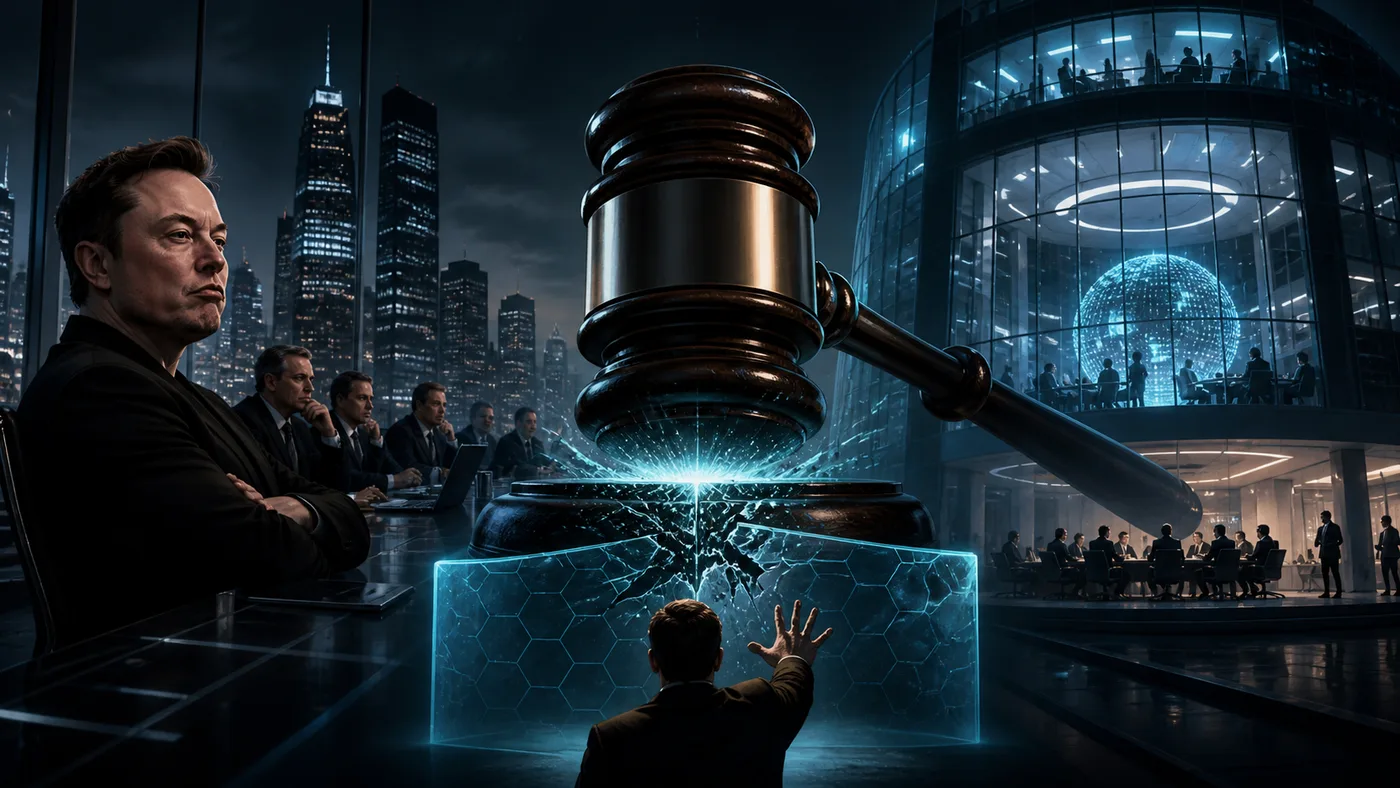
The jury in Musk v. Altman came back unanimous on Monday: Elon Musk waited too long to sue OpenAI, and every claim he brought is now legally dead on arrival.
US District Judge Yvonne Gonzalez Rogers immediately accepted the advisory verdict. The jury found that Musk's claims are barred by the applicable statutes of limitations - meaning the window to bring those particular legal arguments had already closed by the time he filed. The substance of his allegations never reached a jury. Musk announced on X that he plans to appeal.
The lawsuit, filed in February 2024, argued that OpenAI had broken its founding promise to operate as a nonprofit for the public benefit rather than for private commercial gain. Musk sought to block the company's planned conversion to a for-profit structure. The case drew unusual attention because Musk was an early backer and board member of OpenAI before leaving in 2018, giving him insider standing that most outside challengers wouldn't have.
What the Verdict Actually Means
This is a procedural defeat, not a ruling on whether OpenAI actually broke any agreement. A statutes of limitations finding means the court determined Musk knew or should have known about his claims years before he filed - a legal bar that cuts off cases regardless of their underlying merit. Courts found the moment to sue had passed, not that Musk was wrong on the facts.
For OpenAI, the ruling clears a meaningful obstacle. The company's restructuring around a public benefit corporation model is ongoing and has attracted scrutiny from multiple state attorneys general. Musk's lawsuit was the most visible legal challenge, and its collapse on procedural grounds removes it from the equation entirely.
An appeal could technically revive the claims, but statutes of limitations rulings are durable. Appellate courts rarely overturn them without strong procedural errors at the trial level - and a unanimous jury verdict gives Rogers's decision a firm foundation.