What Happened
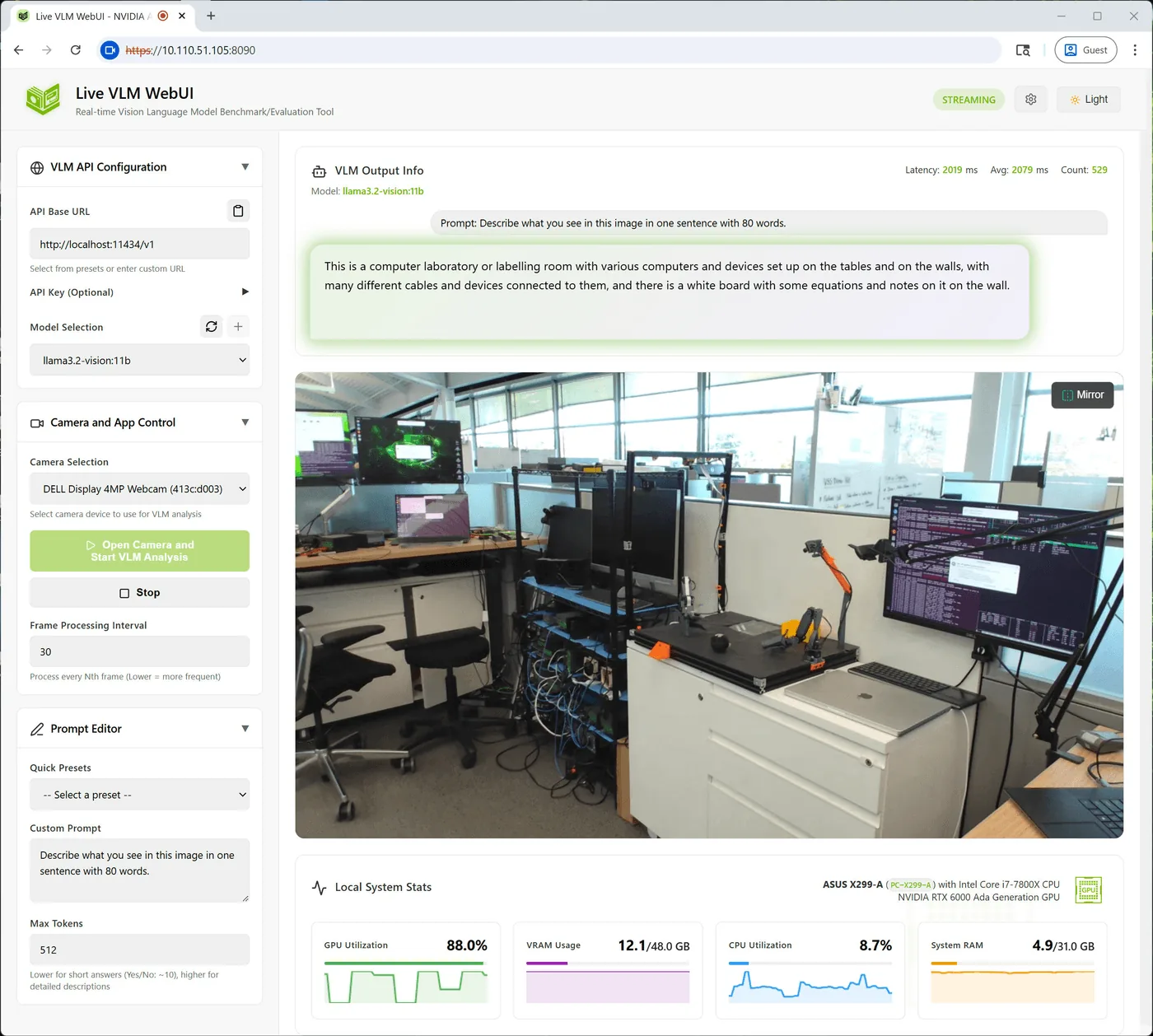
In February 2026, NVIDIA and Hugging Face jointly documented how to deploy the Cosmos Reason2-2B vision language model on Jetson edge devices. Engineers quantized the model to W4A16 precision - 4-bit weights with 16-bit activations - making it fit within the Jetson Orin Nano Super's 8GB of unified memory. At maximum sequence length of 2048, the model consumes approximately 5.8GB of RAM.
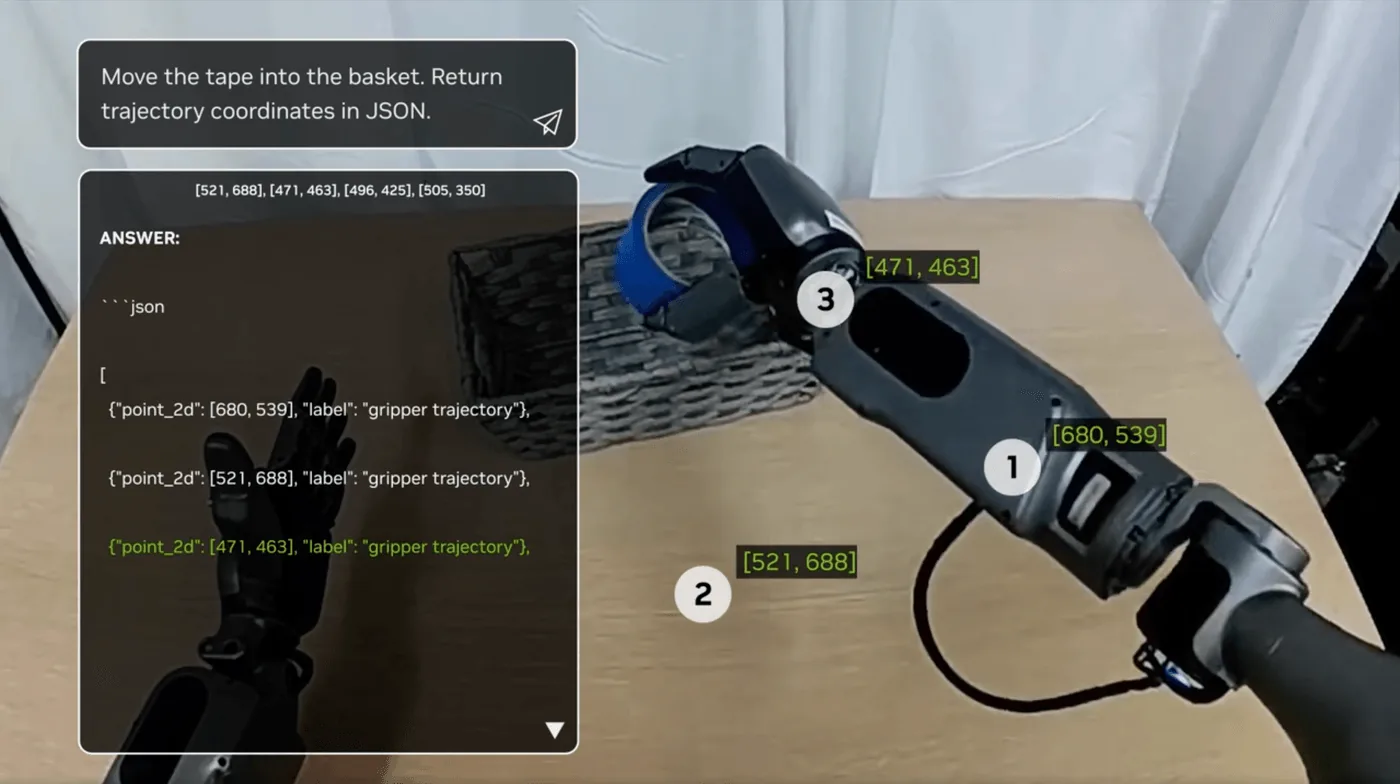
On the Orin Nano hardware, the quantized model achieves 16-17 tokens per second for text, image, and video inference. Cosmos Reason2 is designed for physical AI tasks: analyzing camera footage, identifying objects and their relationships, understanding spatial geometry, and generating natural language action plans. The deployment runs entirely on-device without cloud connectivity.
Cosmos Reason2-2B was announced by NVIDIA at CES 2026 as its most capable reasoning vision-language model for robotics and physical AI applications. Confirmed early adopters include 1X, Agility, Figure AI, Boston Dynamics, Caterpillar, Franka, and LG Electronics, suggesting both robotics and industrial use cases are being actively pursued.
The quantization work applied to the full Jetson product lineup, not only the Orin Nano. The full Cosmos model family, including larger variants, remains available through NVIDIA's API for cloud-connected applications.
Why It Matters
The Jetson Orin Nano Super costs under $500. Getting a capable vision-language reasoning model to run on that hardware at usable speeds changes the economic calculus for edge AI applications significantly. Industries that require AI reasoning at the physical point of operation - manufacturing inspection, warehouse robotics, autonomous vehicles operating in connectivity-limited environments - have previously faced a choice between expensive compute hardware or cloud latency. A sub-$500 module that can reason about camera footage changes that tradeoff.
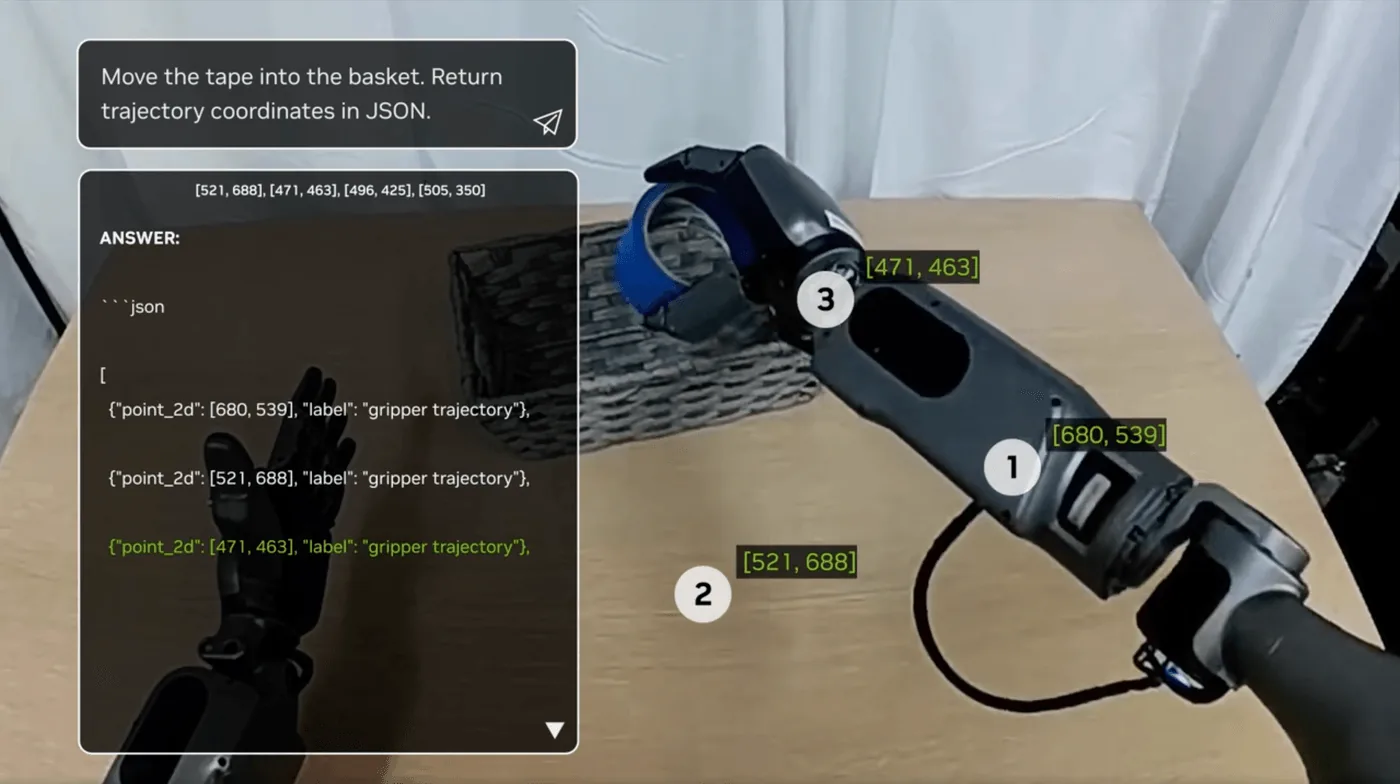
The W4A16 quantization approach is now standard in the field, but validating it specifically for Cosmos Reason2 across the full Jetson product line provides a clear, supported deployment path for developers building physical AI systems. This reduces integration risk compared to attempting quantization independently.
The breadth of the early adopter list is also notable. When the adopters span from consumer robotics to heavy equipment, it suggests the model capability is genuinely versatile rather than tuned for a narrow demonstration use case.
Our Take
Sixteen tokens per second is slow for conversational applications but adequate for robot control loops that need spatial reasoning rather than real-time narration. Most physical manipulation tasks don't require the robot to generate text continuously - they need it to analyze a scene and produce an action plan at a cadence of seconds, not milliseconds.
The spatial reasoning accuracy on novel environments is the more important performance dimension, and the deployment guide doesn't quantify it. Benchmark scores on curated datasets often don't transfer cleanly to real-world settings with clutter, poor lighting, and objects the model wasn't specifically trained to recognize. Teams building production systems should validate Cosmos Reason2's accuracy on their specific use case rather than relying on general capability claims.