

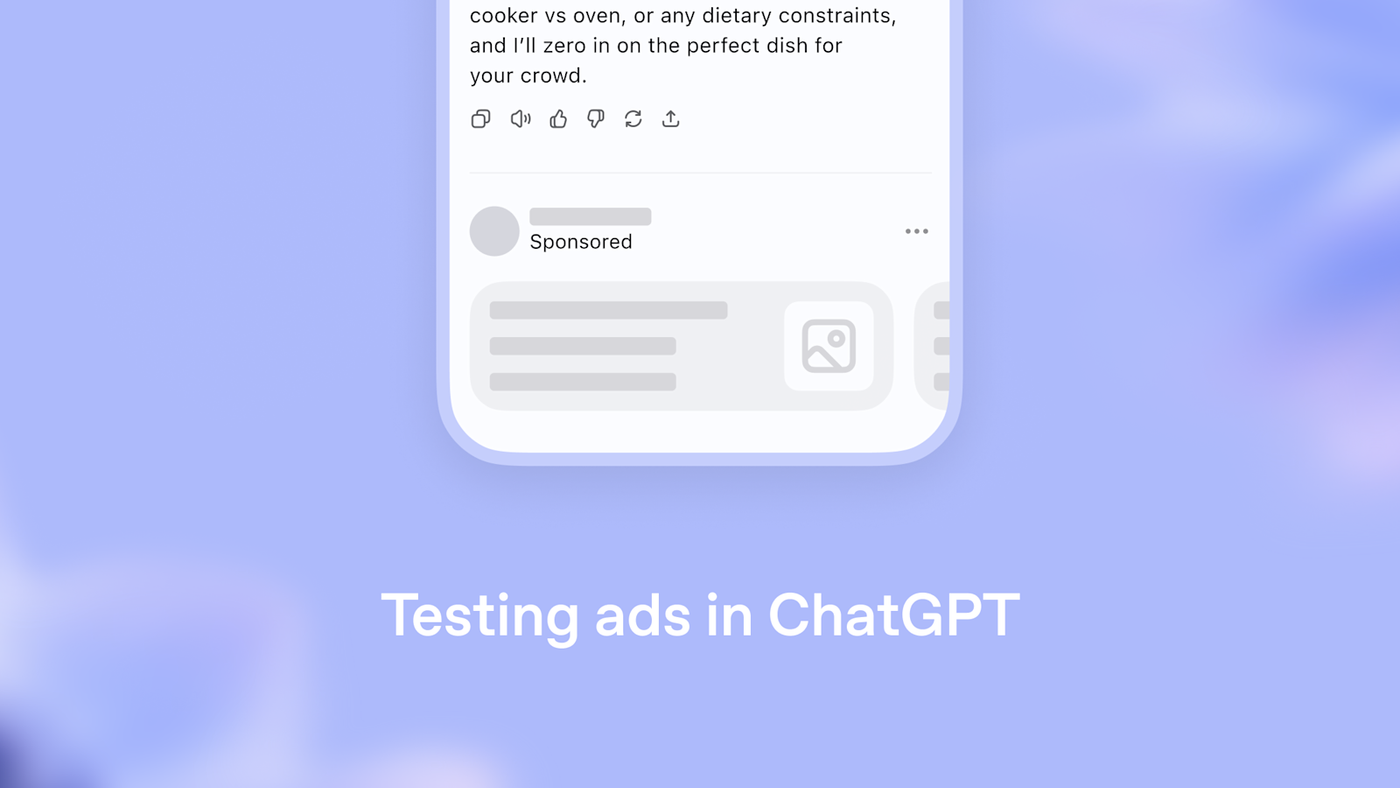
Ads are coming to ChatGPT. OpenAI announced it's running its first advertising tests inside the product, framing the move as a way to keep free access funded without leaning harder on paid subscriptions.
The company says ads will be clearly labeled and won't change ChatGPT's actual answers - meaning the model won't steer you toward a product just because someone paid for placement. OpenAI also says users will have some control over the experience and that privacy protections are in place, though it hasn't released specifics on what data advertisers can target against or how ad categories will be defined.
This was inevitable. Running a free AI assistant at massive scale costs real money, and subscription revenue only covers so much. Every major free platform - Google Search, YouTube, Instagram - reached this same point. The question was always when, not if.
The stickier issue is trust. ChatGPT's usefulness depends on users believing it's giving them the best answer, not a sponsored one. Even with clear labels, ads in an AI assistant feel different from ads on a search results page. When you ask for a software recommendation or a recipe, you're having a conversation - not scanning a ranked list. Users will notice if that starts to feel commercial, and they'll begin second-guessing answers even when no ads are present.
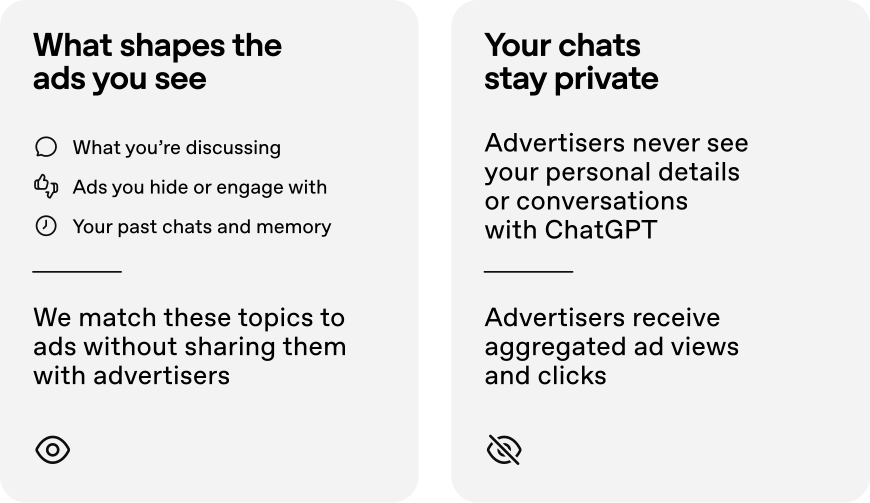
OpenAI's credibility here rests entirely on execution. If ads stay genuinely separate from answers and the labeling is unambiguous, this could be a footnote. If "answer independence" turns out to be softer in practice - sponsored categories, preferred placement in how-to recommendations, subtle nudges - the trust damage will be hard to walk back. The test phase is the moment to watch.