


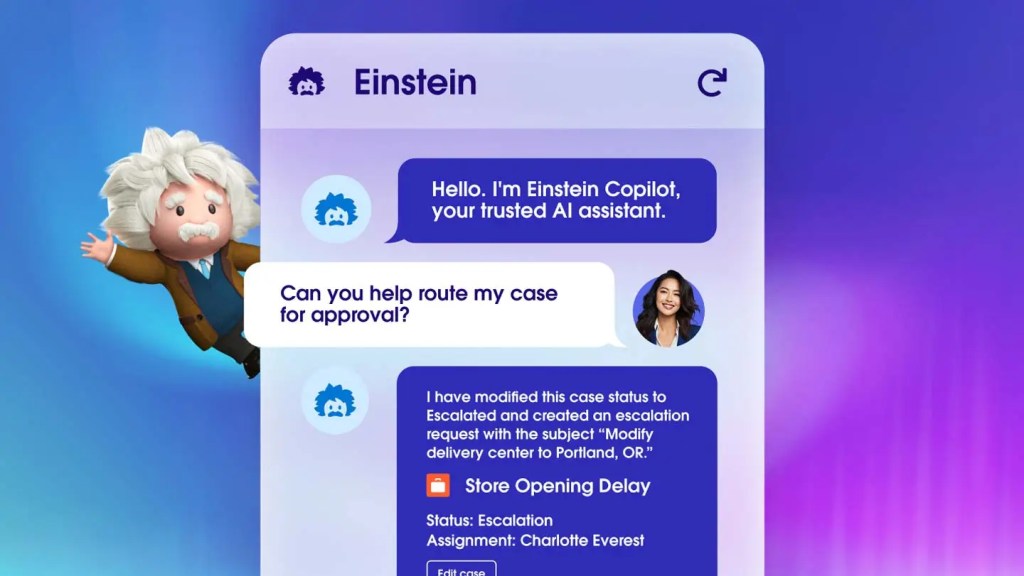
Over $1 trillion in SaaS market value, gone since January. Salesforce stock down 27% year-to-date, hitting fresh 52-week lows. Atlassian reporting its first-ever decline in enterprise seat counts. Welcome to the SaaSpocalypse.
The term, coined by traders at Jefferies, describes the brutal sell-off hitting enterprise software companies since early February 2026. The thesis is simple: if an AI agent can do the work of five employees, why would a company keep paying for five software seats? That question has investors dumping SaaS stocks and rotating into hardware plays like Nvidia and Broadcom, where the AI boom translates directly into revenue rather than threatening it.
Salesforce has taken the worst beating. Despite posting a revenue beat in late February, management guided for just 10-11% revenue growth in the coming fiscal year. Northland Securities downgraded the stock to "Market Perform" on March 10, slashing price targets. CEO Marc Benioff pushed back on the earnings call, insisting "this isn't our first SaaSpocalypse," but investors aren't buying it. The core CRM business looks increasingly vulnerable to AI agents that can handle customer data without traditional seat-based software.
The Damage Report
Salesforce isn't alone. The sell-off has hit nearly every major SaaS name:
- Atlassian is down roughly 35%, the steepest drop of the bunch. Its core products - Jira, Confluence - automate exactly the kind of task tracking and documentation that AI agents handle natively.
- ServiceNow fell 26% as investors question whether its workflow automation business can survive competitors that bypass the platform entirely.
- Adobe dropped 22% despite revenue growth, with AI image and video tools commoditizing its creative suite.
- Workday announced an 8.5% workforce reduction, citing AI-driven efficiency gains that - ironically - reduce the need for the HR roles its own software serves.
Per-seat pricing adoption among enterprise buyers has plummeted from 21% to 15% in just twelve months. Seventy percent of enterprises now demand usage-based or outcome-based contracts instead.
The Pricing Model Problem
This is the real structural threat. SaaS companies built their businesses on selling licenses per employee per month. That model assumes humans do the work. When AI agents start handling customer service tickets, writing marketing copy, and managing sales pipelines, the number of humans - and therefore the number of seats - shrinks.
Companies are scrambling to pivot. HubSpot is shifting toward credit-based pricing where customers pay for AI agent work volume rather than logins. Salesforce and others are experimenting with "outcome-based" models - charging a fee per resolved support ticket or per successful campaign rather than per user.
But there's a catch. Running AI features requires massive compute, and the cloud bills from AWS, Azure, and Google are eating into the 80%+ gross margins that made SaaS stocks so attractive in the first place. Analysts are calling this the "Compute Tax" - SaaS companies now pay cloud providers a significant cut just to offer the AI features customers demand.
Panic or Prediction?
The contrarian case is straightforward: companies still need software, AI agents still need platforms to operate on, and a 27% drawdown prices in a lot of bad news that hasn't actually materialized yet. Salesforce's revenue is still growing. Adobe's creative tools are still industry standard. The per-seat model may shrink, but it's not going to zero.
The bull case also notes that the companies most aggressively building AI into their products - Microsoft with Copilot, ServiceNow with its agent platform - might actually expand their addressable markets by solving problems that previously required custom development.
But the sell-off tells you something real about where institutional money sees risk. The market is making a clear bet: the companies that charge per human using software are in trouble, and the companies that provide the compute, chips, and infrastructure for AI are the winners. For the SaaS giants, the next two quarters of earnings will determine whether this is a temporary panic or the beginning of a permanent re-rating.