
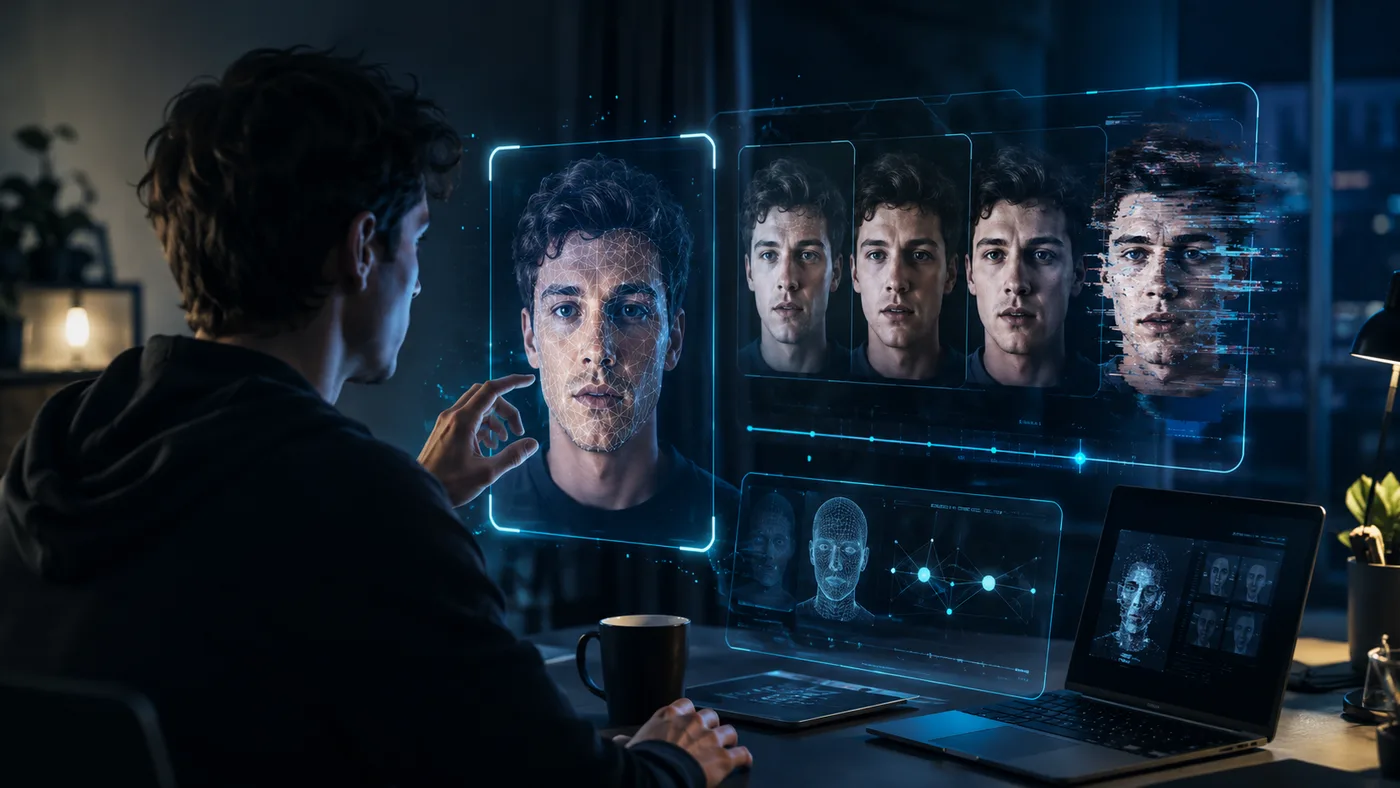
The first time you see an AI video of yourself that you didn't actually make, the reaction isn't wonder. It's something closer to discomfort.
Google's Gemini app now includes an avatar generation tool that creates lifelike video of real people - your face, your appearance - from uploaded photos or a short video clip. A writer at Wired who tested the feature on themselves described the output as "unnervingly me." That reaction is the whole story.
Tools like D-ID and HeyGen have offered AI avatar generation for a couple of years, mostly marketed to businesses wanting talking-head videos without hiring actors. The results have historically felt synthetic: faces that don't quite move right, expressions that land a beat too late. Google's integration into Gemini puts a more polished version of the same capability in front of hundreds of millions of users in an app they already use daily.
When Accurate Becomes Eerie
AI avatar tools work by training on visual data of a specific person - photos, video clips - and generating new footage with that person's likeness imposed on synthesized movement and speech. Getting this right at the level of facial micro-expressions is genuinely hard. The "unnervingly accurate" reaction from the Wired test suggests Google has closed some of that gap.
The uncanny valley - the psychological discomfort humans feel when something looks almost human but not quite right - works in reverse at a certain threshold. Once the output is accurate enough, the discomfort shifts from "this looks wrong" to "this looks right and I had no control over it."
Who Made What, and Who Consented
Google's stated vision is that personalized AI video is the future of content creation. The practical case is real: record once, let the AI generate versions for different audiences, languages, or platforms. For marketers, course creators, and solo business owners, that's a genuine time saving over shooting multiple takes or hiring production help.
The same capability that makes content production easier also makes video fabrication easier. The gap between "I generated a marketing video with my own consent" and "someone generated a video of me without it" is a single upload step. Google's safeguard is presumably that Gemini only generates avatars from content the account holder provides themselves. That guardrail holds until it doesn't - and the track record for AI platforms maintaining those limits as users find creative workarounds is mixed.
Most discussions about AI-generated media treat deepfakes as an abstract future problem. Google shipping this feature in a mainstream consumer app means the capability is present now, reaching a different scale than niche tools like D-ID ever did. The ethical frameworks around consent, attribution, and platform liability are running behind the product roadmap, not ahead of it.